

What factors affect the accuracy of laminar-flow differential-pressure mass flow meters?
The main factors that affect the accuracy of laminar-flow differential-pressure mass flow meters are as follows:

1. Pipe diameter:
When the pipe diameter is small, fluid friction and viscosity can introduce errors in flow measurement. Therefore, when installing a differential-pressure flowmeter, an appropriate pipe diameter should be selected to minimize such measurement errors.
2. Pipeline pressure:
The pressure in the pipeline has a significant impact on the measurement results of differential-pressure flowmeters. When the pipeline pressure is low, the flow regime is prone to instability, which can lead to inaccurate readings from the differential-pressure transmitter. Therefore, when using a differential-pressure flowmeter, it is essential to maintain stable pressure within the pipeline.
3. Fluid temperature:
The temperature of a fluid not only affects its density, thereby influencing the measurement results of flow meters, but can also cause drift in the measuring equipment, leading to inaccurate readings. Therefore, controlling the fluid temperature and preventing drastic temperature fluctuations is crucial for improving measurement accuracy.
4. Fluid density:
Differential-pressure flowmeters measure the mass of a fluid, and there is a definite relationship between fluid mass and density. Consequently, variations in fluid density can affect measurement accuracy.

Related Products

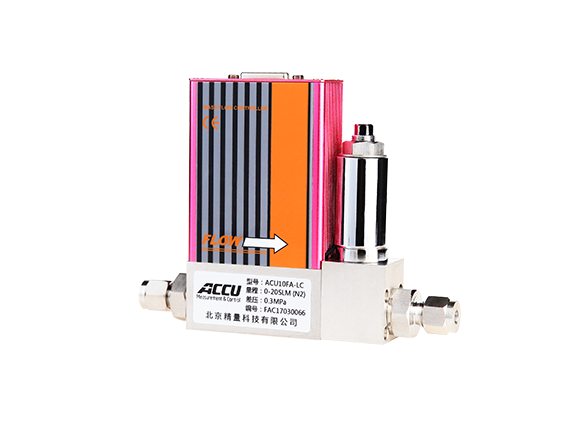
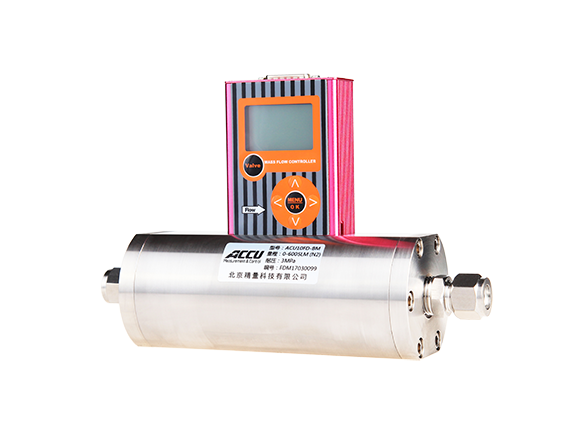
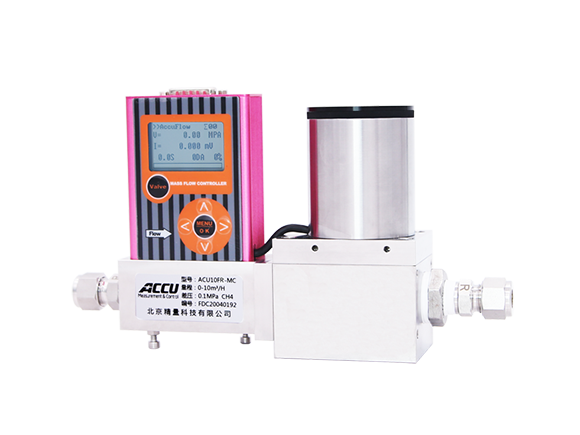
ACU20FD Normally Open Valve Series


Contact Information
Address: Room 1522/23,Building B,Ruichuang International Center,No.8Wangjingdong Road,Chaoyang District,Beijing (R&D Department)


Leave a message
If you are interested in our products, please leave your email address, and we will contact you as soon as possible, thank you!