

Application of Supercritical Fluid Flow Meters in Supercritical Extraction
Supercritical fluid flow meters play a crucial role in supercritical extraction, as their precise measurement capabilities directly affect the efficiency of the extraction process and the quality of the final product. In supercritical extraction systems, supercritical fluids—such as supercritical carbon dioxide—are used as extractants, and their flow rates must be tightly controlled to ensure stable and reproducible extraction conditions.

The Coriolis mass flow meter is widely used in supercritical fluid extraction. It directly measures the mass flow rate of the fluid, thereby fundamentally eliminating errors caused by density variations in supercritical fluids. It offers significant advantages, including high accuracy and the elimination of the need for additional temperature and pressure compensation. During supercritical fluid extraction, the Coriolis mass flow meter enables real-time monitoring and adjustment of the extractant flow rate, allowing precise control of extraction conditions and enhancing extraction efficiency.

Ultrasonic flow meters also find certain applications in supercritical fluid extraction. They measure flow by exploiting the propagation speed of ultrasonic waves in the fluid, making them a non-contact measurement technique with no flow obstruction and minimal pressure loss. However, since the speed of sound in ultrasound is itself influenced by fluid density, when measuring supercritical fluids, high-precision temperature and pressure sensors must be used for real-time compensation, resulting in relatively high system integration complexity.
In practical applications, supercritical fluid flow meters are used not only for controlling the flow rate of extraction agents but also for monitoring the stability of the circulation system. By continuously tracking real-time flow variations, operational anomalies such as pipeline blockages and leaks can be promptly detected and addressed, thereby ensuring the smooth operation of the extraction process.
Furthermore, with continuous technological advancements in multi-sensor data fusion and advanced compensation algorithms, smart flow meters incorporating real-time temperature and pressure measurement will be better equipped to handle supercritical fluids—this unique medium—thereby providing a robust foundation for enhancing the quality and efficiency of supercritical extraction processes while ensuring their safe operation.
Related Products

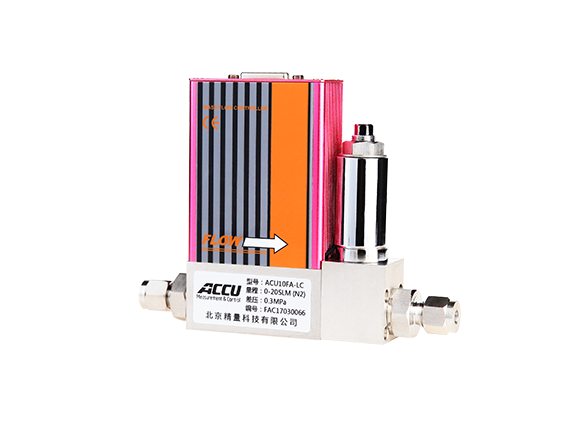
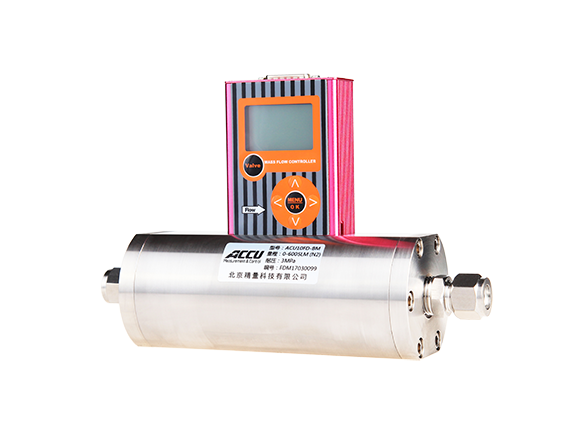
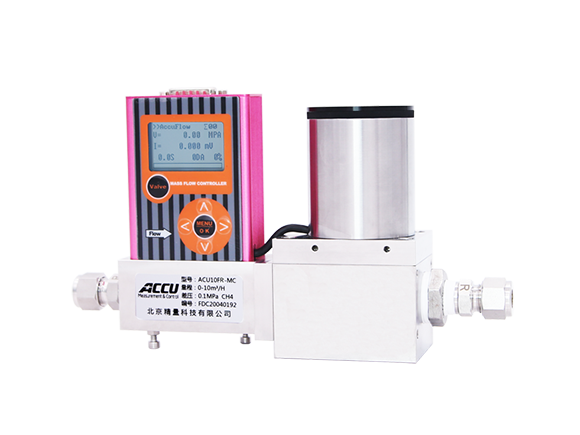
ACU20FD Normally Open Valve Series


Contact Information
Address: Room 1522/23,Building B,Ruichuang International Center,No.8Wangjingdong Road,Chaoyang District,Beijing (R&D Department)


Leave a message
If you are interested in our products, please leave your email address, and we will contact you as soon as possible, thank you!